
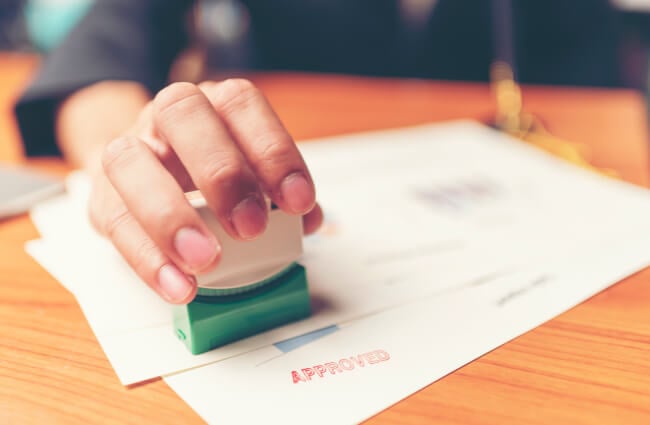
Halal food, cosmetics, supplements, pharmaceuticals, and packaging are becoming increasingly prevalent in the United States. However, what are the top halal certification bodies in the USA?
Here is a list of the five most trusted, and accredited halal certification bodies operating in the USA.
The Top Halal Certification Bodies in the USA
Here are the top certification bodies currently operating in the USA:
1. American Halal Foundation (AHF)
- Headquarters & Regional Audit Centers: Florida (HQ), Illinois, Seattle, Maryland, New York, Los Angeles, Georgia, Texas, Ohio, Virginia, Louisiana, Utah, Colorado, North Carolina, Michigan, Minnesota, Pennsylvania.
- Scope: Food & beverage, meat & poultry, spice ingredients, supplements, nutraceuticals, pharmaceuticals, cosmetics, chemicals, packaging, food service, and private label brands.
- Global Recognition: Listed by USDA and recognized by Indonesia’s BPJPH, Malaysia’s JAKIM, and Middle Eastern authorities.
- Differentiator: Known for its globally recognized halal standards, ability to integrate halal with vegan, gluten-free, and non-gmo and blockchain backed halal certificates. .
2. Halal Food Standards Alliance of America (HFSAA)
- Headquarters: California, USA
- Scope: Restaurants, food service, community-level certifications
- Global Recognition: More focused on U.S. Muslim consumers rather than exports
- Differentiator: Strong grassroots credibility, especially among Zabiha-focused communities.
4. RACS US
- Headquarters: Texas, USA
- Scope: Food & beverage, meat & poultry
- Global Recognition: Accredited and recognized by UAE and Saudi Arabia
4. Carat Global Assurance (CGA)
- Headquarters: Florida, USA
- Scope: Food & beverage, meat & poultry, cosmetics, supplements, and logistics
- Global Recognition: Has a network of internationally recognized halal certification
- Differentiator: Efficient halal certification process and ability to integrate halal with vegan, non-gmo, gluten-free, GMP, and HACCP.
5. Canadian Halal Bureau (CHB)
- Differentiator: Offers a rigorous audit process
- Headquarters: Montreal, Canada
- Scope: Food, beverages, nutraceuticals, cosmetics
- Global Recognition: Strong presence in North America
How to Choose the Right Halal Certification Body
Here’s what manufacturers need to consider when picking a halal certification body to work with:
- Standards: Are the products going to be accepted by all halal consumers?
- Accreditation: Is the body recognized/listed by USDA and other leading halal accreditation providers?
- Industry Fit: Food? Cosmetics? Nutraceuticals? Not all certifiers are officially authorized to cover every scope.
- Global Reach: Do they certify only for U.S consumption, or also for exports?
- Audit Rigor: How thorough is their process, training, and compliance oversight?
Frequently Asked Questions (FAQs)
Q1: Which halal certification body is the most recognized in the USA?
It really depends on what you’re looking for. If you’re a manufacturer aiming for global exports, American Halal Foundation (AHF) is the most widely accepted overseas. If your strategy involves integrated compliance (Halal + Food Safety + Quality Standards), Carat Global Assurance (CGA) is ideal as it combines Halal certification with GMP, Vegan, Non-GMO, and Gluten-Free audits under one framework, helping you save time and simplify compliance. If your focus is local restaurants and community trust, groups like HFSAA carry strong credibility in the U.S. market.
Q2. How do I know which halal certification is right for my business?
Start with your end goal. If you want to export overseas then you should pick a certifier recognized internationally, one that’s accredited by government authorities ensuring your certificate is accepted by importing countries without additional verification.
Q3: How much does halal certification cost in the USA?
You must maintain strict segregation protocols—using separate equipment or zones, or thorough sanitation procedures—to prevent cross-contamination.
Q4: How long does it take to get halal certified?
Timelines depend on how prepared your business is. If your ingredients and processes are straightforward, certification can take 4–6 weeks. More complex facilities with multiple product lines may take 3–6 months, especially if changes to sourcing or processes are needed.
Q5: Is one halal certification body “better” than the other?
Each certification body has strengths: some specialize in exports, others in food service, and others in niche industries like cosmetics or pharmaceuticals. What’s “better” is the certifier that matches your market goals and is accepted by your customers. Ultimately, the most important factor is the integrity of the certification body and if their certification for your product will be universally accepted by halal consumers.

Azmi Anees is a certification and compliance specialist working with the American Halal Foundation, where he focuses on global halal certification programs, integrated audits, and market-access strategy for food, cosmetic, nutraceutical, and ingredient manufacturers. He has worked closely with multinational brands and SMEs across North America, the Middle East, and Southeast Asia. His insights emphasize on practical guidance for manufacturers looking to achieve halal compliance while improving operational efficiency and global market reach.



 Food
Food Bread & Bakeries
 Beverages
 Coffee
 Confectionery Products
 Dairy & Cheese
 Food Service
 Food Enzymes
 Meat and Poultry
 Natural & Artificial Food Flavors
 Nuts & Dried Fruits