
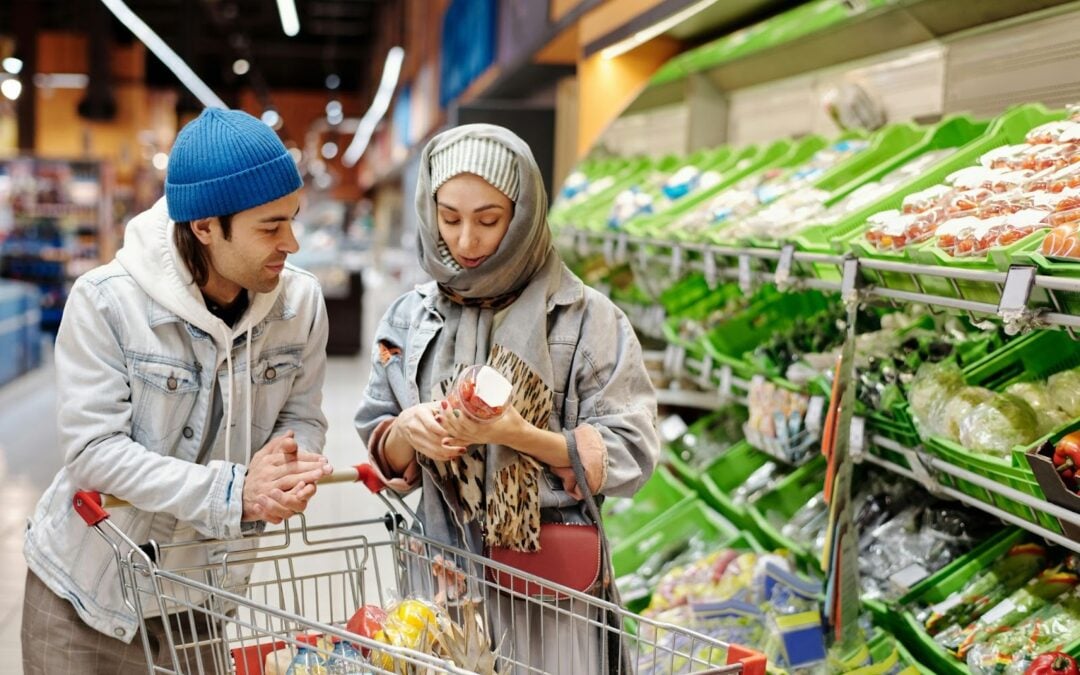
A halal certificate should do more than show a symbol on packaging. It should help buyers, importers, retailers, and consumers feel confident that a product or facility has been reviewed through a documented halal certification process. Halal certification is not just about a logo. It is about the product, the ingredients, the facility, and the system behind it.
That is why verification matters. A certificate may look official, but it may be expired. It may apply to only one facility. It may also come from a certifier that is not recognised in the country where the product is sold. So instead of relying on appearance alone, it is better to check the certificate step by step.
1. Start with the certifying body
The first thing to check is the certifier’s name. A halal certificate should clearly show which organisation issued it. If the document only shows a halal symbol or a general statement without naming the certifier, that should raise questions. A real certificate should make it easy to identify the body behind it and confirm that the body actually exists.
This step matters because trust in the certificate starts with trust in the certifier. The halal standard framework for product, process, and service certification bodies is built around competence, impartiality, and consistent procedures. In halal certification, official recognition systems focus on the capabilities of foreign halal certification bodies and on their responsibility for monitoring the halal status of raw materials and products.
2. Check the certificate details
Once you know who issued the certificate, look at the document itself.
A proper halal certificate should clearly show the key details. These usually include:
- Certificate number
- Issue date
- Expiration date
- Company name
- Facility address
- Certifier name
- Certifier contact details
- Applicable halal standard(s)
- Accreditation or World Halal Food Council logo
If any of these details are missing, unclear, or inconsistent, the certificate should be checked again before it is accepted.
3. Make sure the scope matches the product
This is one of the most important checks, and it is often overlooked.
A halal certificate can be genuine and still not apply to the exact product being reviewed. Some certificates apply to one manufacturing site. Others apply to a certain product line, a private-label product, or a specific batch.
That is why scope matters. Halal determination is not only about site inspection. It also involves checking how the halal status of raw materials and products is maintained and monitored. In simple terms, halal certification follows the actual product and process. It should not be treated as a blanket claim for everything a company makes.
If the certificate does not clearly match the item you are buying, ask for clarification. That one step can prevent a lot of confusion later.
4. Check recognition if the product crosses borders
Recognition becomes especially important in export and import situations. A certificate accepted in one market may still need recognition or registration in another. For cross-border trade, businesses should confirm whether the destination market requires recognition or registration of the certifier or certificate.
So if a product is moving across borders, do not rely only on a supplier’s assurance. Check whether the certifier is recognised by the relevant authority for that destination market.
5. Use public verification tools
One of the easiest ways to verify a halal certificate is to use a public tool rather than relying solely on a forwarded PDF or packaging claim.
For example, AHF provides blockchain-anchored halal certificate verification, allowing anyone to instantly confirm whether a certificate is valid, active, and issued by an authorized certification body. By entering the certificate number or scanning the QR code, buyers, retailers, and regulators can view the official record directly from the certification database.
6. Check current status
A company may have been certified at one point and later lost that status. That is why current status matters.
AHF’s Delisted Companies page helps users check whether a company’s certification standing may have changed. The same principle also appears in official systems. JAKIM publishes withdrawal notices for foreign halal certification bodies, and BPJPH has publicly revoked halal certificates in enforcement cases. That shows halal certification is not just a label. It is a status that can change if requirements are no longer met.
Some warning signs are easy to miss. Be cautious if you see:
- No certifier name
- No certificate number
- No issue date or expiry date
- Vague wording about what is certified
- No company or facility details
- A halal logo with no way to verify who issued it
- A certificate that does not clearly match the product
These are not small issues. They usually mean the certificate needs a closer look before anyone should rely on it.
Quick Verification Checklist
| Verification step | What to check | Why it matters |
| Certifier identity | Full issuer name and contact details | Confirms the certificate came from a real certification body |
| Certificate details | Number, dates, company, facility | Helps confirm the document is complete and current |
| Scope | Product, facility, batch, or line covered | Prevents relying on a certificate that does not apply |
| Recognition | Official recognition where needed | Important for exports and market access |
| Current status | Database, direct confirmation, or status page | Helps detect expired, withdrawn, or unsupported certifications |
Final thoughts
Verifying a halal certificate is really about verifying trust. A good certificate should be clear, current, and easy to trace back to the issuing body. It should also match the product being reviewed and, where needed, fit the rules of the market it is entering.
The best approach is simple. Check the certifier. Check the details. Check the scope. Check recognition if needed. Then use public tools such as the Halal Certificate Database and the Delisted Companies page, where available. Those steps can help businesses and consumers make better decisions with more confidence.
Frequently Asked Questions (FAQs)
Q1: How can I tell if a halal certificate is real?
Start by checking the certifier’s name, the certificate number, the dates, and the company details. Then compare that information with the certifier’s official records or database, if one is available.
Q2. Is a halal logo enough proof of certification?
No. A logo alone is not enough. The certificate should also show who issued it, to whom it applies, what it covers, and whether it is still current.
Q3: Can one halal certificate cover every product a company makes?
Not always. Some certificates apply only to a specific facility, product line, batch, or private-label item. That is why checking the scope is so important.
Q4: What should I do if the certificate details do not match the product?
Ask for clarification before relying on it. If the product, facility, or company details do not clearly match, the certificate may not apply to that item.
Q5. Why does the certifier matter so much?
Because a certificate is only as reliable as the body behind it. Clear standards, public procedures, and verification tools all make it easier to trust the certificate and confirm its status.

Azmi Anees is a certification and compliance specialist working with the American Halal Foundation, where he focuses on global halal certification programs, integrated audits, and market-access strategy for food, cosmetic, nutraceutical, and ingredient manufacturers. He has worked closely with multinational brands and SMEs across North America, the Middle East, and Southeast Asia. His insights emphasize on practical guidance for manufacturers looking to achieve halal compliance while improving operational efficiency and global market reach.



 Food
Food Bread & Bakeries
 Beverages
 Coffee
 Confectionery Products
 Dairy & Cheese
 Food Service
 Food Enzymes
 Meat and Poultry
 Natural & Artificial Food Flavors
 Nuts & Dried Fruits