

Yes, there is such a thing as halal investing and even a halal economy. Generally, Muslims understand that investing comes with certain boundaries. Contrary to what some may be led to believe, investing is not prohibited altogether. Rather, Muslims are expected to invest in ways that are halal and ethically compliant. In fact, from a technical perspective, investing and productive asset-building are encouraged in Islam when done responsibly and within lawful boundaries.
The Prophet Muhammad ﷺ praised honest, ethical commerce, saying that the truthful and trustworthy trader will be with the prophets, the truthful, and the martyrs, highlighting that wealth-building through lawful means is not only permissible but virtuous when done with integrity.
In this guide, we dive into the basics one needs to know about halal investing.
Disclaimer: AHF is not an Islamic financial services or products certification or standardization agency. This article is for educational and informational purposes only and does not reflect the legal and official opinions of the AHF organization. This article is not an endorsement or recommendation of another organization.
What is halal investing?
Halal investing is a form of religious investing that is in accordance with Islamic law. The word “halal” in Arabic means lawful or permitted; “haram” means forbidden.
Most non-Muslims think that halal only applies to food, but it can refer to other aspects of life, too. Because Islamic law covers topics like interest, debt, risk, and social responsibility, Islamic scholars have helped establish guidelines for investing without breaking any rules.
The Core Principles of Halal Investing
There aren’t any official rules for halal investing, as interpretations for what is actually considered halal differ. However, most investors who observe Islam can generally agree on the following core tenets.
Interest from Debt and Loans
Islamic law prohibits paying or charging interest, like you would with a debt or a loan.
Islamic law prohibits “riba’.” The Arabic word for interest, riba’, has a more limited definition than the English word “interest.” In English, interest can refer to any type of interest earned on a debt or loan
There are certain quantitive screens regarding interest. The most commonly adhered to standard published by Accounting and Auditing Organization for Islamic Financial Institutions (AAOIFI) requires that:
- The debt to market capitalization ratio should not exceed 30%
- The income from prohibited sources should not exceed 5%
- Interest bearing assets should not exceed 30% of market capitalization
- The investor should dispose the calculable impermissible income from holdings
Prohibited Industries
There are some industries that practicing Muslims simply can’t invest in. These include:
- Alcohol
- Gambling
- Weapons manufacturing
- Adult entertainment
- Traditional finance
- Pork products
The tobacco industry isn’t outright prohibited, but most Islamic scholars discourage investing in it as well.
Charity
Avoiding entire industries can make investing more difficult, so some Muslim investors use the “five percent rule.” This means any company they consider investing in cannot have more than five percent of its revenue coming from haram sources.
Most halal investors wish to avoid receiving any revenue from haram sources, though. Thus they are often advised to take whatever earnings have come from haram activities and donate them to charity. Islamic investment firms and financial managers can help investors calculate that amount so that it can be set aside and donated.
Debt and Speculation
Operating outside one of the prohibited industries doesn’t automatically qualify a company for halal investing. You still have to look at how much debt the company has, as significantly indebted companies don’t make good candidates for halal investing.
Islamic law also prohibits gambling, which means investments that rely primarily on chance, speculation, or highly uncertain future events are not permissible. Investments should be based on real economic activity, transparent risk, and informed decision-making rather than luck or games of chance.

Why You Should Explore Halal Investing
Halal investing isn’t just for observant Muslims. There are several benefits to the socially responsible, risk-averse way that Islamic scholars advise Muslims to invest. Here are three reasons why you should start halal investing.
1. Social responsibility
If you want to start investing and feel concerned about doing more good than harm, you should consider halal investing. It’s similar to ethical investing, which aims to support businesses that operate in an ethical way, while creating an investment return for yourself.
2. Security
Halal investing discourages taking risks and aims to avoid debt. While some think risk-taking is the key to profitable investing, you can still see returns while mitigating your downside risk. Staying away from companies with significantly high debts also helps make your investments more secure.
3. Growing halal certified industry
One way to ensure your investments are halal is by investing in businesses that produce halal-certified products. The market for halal food, cosmetics, and pharmaceuticals is rapidly expanding and global spend by Muslims in Islamic economy sectors is projected to reach $2.4 trillion by 2024. Halal food businesses are moving into e-commerce and reaching new food product categories — and even appealing to non-Muslim consumers.
Types of Investments that are Halal
If you want to start investing in the halal economy, you should know which types of stocks are generally considered permissible and which are haram.
a) Stocks
Investing in stocks is halal as long as it doesn’t come from one of the prohibited industries listed above. There are multiple platforms that perform independent analysis and screening of companies based on business activity and financial ratios, helping investors identify stocks that meet Islamic guidelines
b) Funds
Index funds, equity mutual funds, and exchange-traded funds are similar to stocks — as long as the halal investment criteria is met, they’re acceptable. Keep in mind, however, that funds usually contain many stocks, and one or more of those stocks might not be halal. Buying funds, therefore, takes a much more investigation than purchasing individual stocks.
c) Sukuks (Bonds)
Sukuks are bonds for members of the Islamic faith. The profits don’t come from interest, however, as that wouldn’t be halal. Instead, the bond issuer agrees to turn over some of the profits to the investor if the project invested in is profitable. If the project that the sukuks funded is not profitable, the investor doesn’t get anything back.
Sukuks typically involve projects with high probability of success, however, so investors are likely to earn some profit — and it’s halal because it doesn’t come from interest on a loan.
d) Gold and Precious Metals
Gold and precious metals can appreciate over time but don’t have any halal-based concerns. They’re usually a permissible investment for those wanting to follow halal principles.
e) Real Estate
Real estate is generally considered a permissible and relatively stable option for halal investors. The key condition is that any financing structure should itself be halal and not based on interest-bearing loans. Real estate investment trusts (REITs) can also be permissible, provided they meet prevailing Islamic screening standards and do not derive income from prohibited activities.
f) Cryptocurrency
There’s a debate over whether cryptocurrency is halal, since it can be a volatile investment. Some are of the opinion that since it involves speculation, it’s not halal.
Other scholars have said crypto investments can be permissible, however. If you’re interested in cryptocurrency as a halal investor, it’d be best to check with a financial advisor or agency that specializes in halal investments.
The Halal Economy Keeps Growing
The number of consumers looking for halal products continues to expand, and the halal economy is surging. As more and more businesses offer halal products, finding investment opportunities that are halal will be even easier.
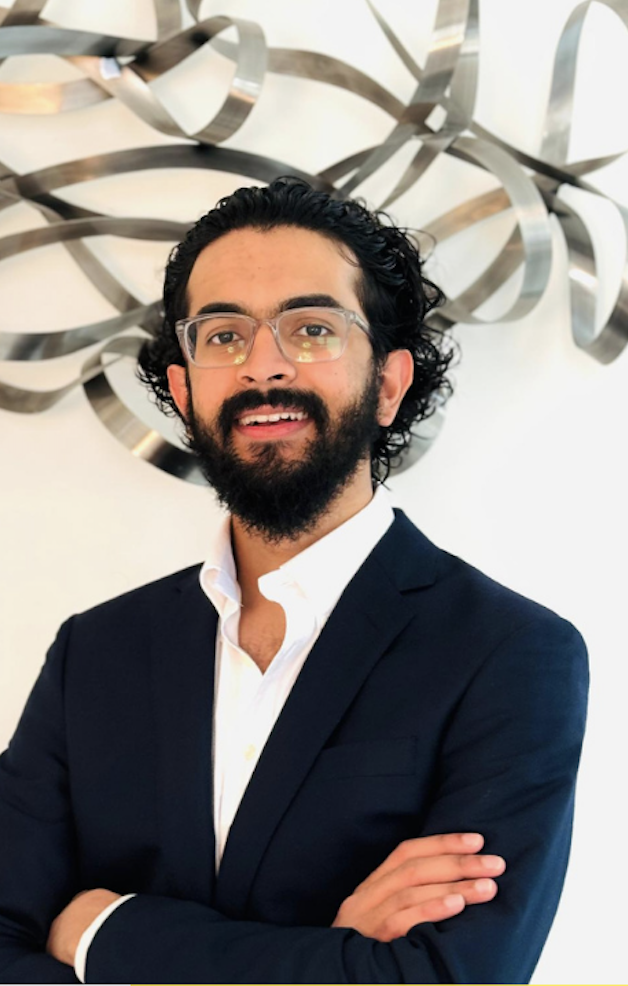
Mohammad Hussaini is the Executive Director at the American Halal Foundation with extensive expertise in food, cosmetic, nutraceutical, and ingredient manufacturing. At AHF, Mohammad has led initiatives to streamline the halal certification process, develop audit tools for integrated compliance (e.g., Halal + SQF, GMP, Gluten-Free, etc), and coordinate AHF’s expanding certification footprint across industries like cosmetics, nutraceuticals, and industrial chemicals.
Beyond halal certification, Mohammad also explores intersections of Islamic finance and ethical business, bringing a holistic Shariah-based lens to organizational governance. He also holds executive roles across multiple industries, including clinical research, quality assurance, international food trading, education, and investment management.



 Food
Food Bread & Bakeries
 Beverages
 Coffee
 Confectionery Products
 Dairy & Cheese
 Food Service
 Food Enzymes
 Meat and Poultry
 Natural & Artificial Food Flavors
 Nuts & Dried Fruits