
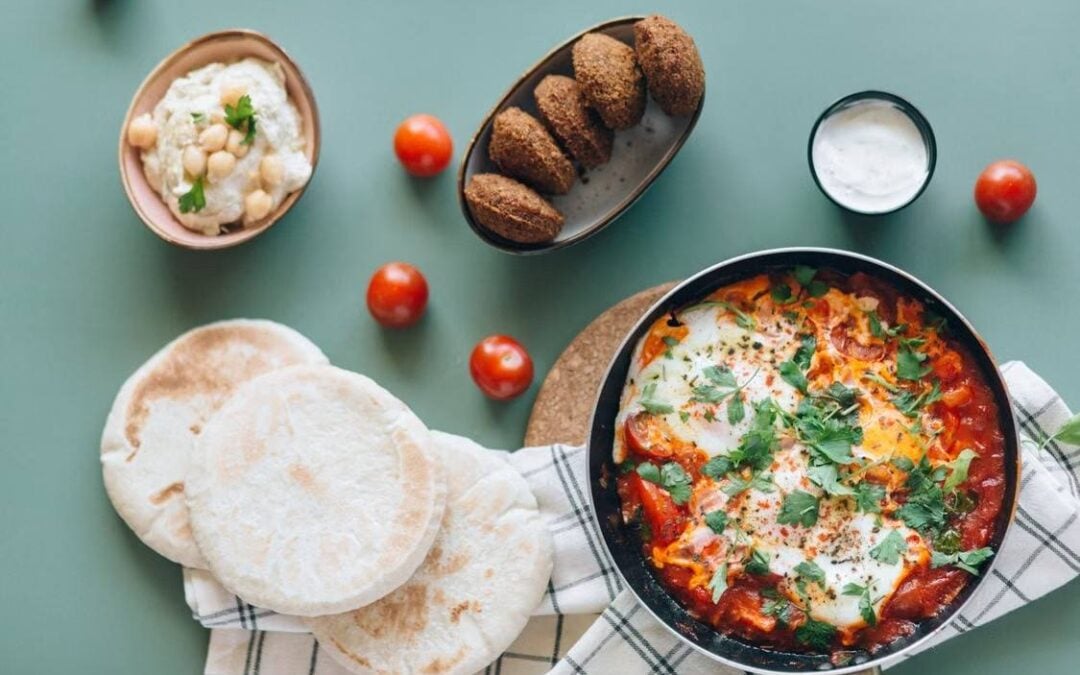
Halal food can come from farms, meat processors, dairy plants, ingredient manufacturers, bakeries, restaurants, private-label facilities, and food factories around the world.
What makes food halal is not the country it comes from. The important questions are what ingredients were used, how they were produced, where they were sourced, and whether halal integrity was maintained during manufacturing, storage, and transportation.
For food businesses, this means halal compliance starts with purchasing and supplier approval long before the finished product reaches a customer.
Where Halal Food Starts
Every halal food product begins with raw materials. Some ingredients are relatively straightforward. Fresh fruits, vegetables, grains, water, salt, and many plant-based ingredients generally present lower halal risk.
Processed products need closer review. A sauce, snack, frozen meal, supplement, bakery item, or ready-to-eat product may contain ingredients from several suppliers.
These can include:
- Flavors
- Enzymes
- Emulsifiers
- Gelatin
- Shortening
- Cheese powders
- Whey
- Meat ingredients
- Processing aids
- Colors and coatings
The key question is not only where the finished food was made. A business should know where critical ingredients came from and whether their halal status can be supported.
AHF’s halal food certification requirements explain why ingredient sourcing, processing, cleaning, handling, and storage all matter when reviewing food products.
How Companies Verify Halal Suppliers
A reliable halal supply chain depends on reliable suppliers. Manufacturers should collect enough information to understand what an ingredient is, where it was made, what materials were used, and whether anything changes during production.
Useful supplier documents may include:
- Product specifications
- Certificates of analysis
- Technical data sheets
- Halal certificates where required
- Ingredient source declarations
- Processing-aid information
- Manufacturing location
- Lot information
- Halal suitability statements
- Change-notification records
Supplier approval should not be treated as a one-time task. A new formulation, production facility, carrier, enzyme, or raw material source can change the halal status of an ingredient.
This is why purchasing, quality, and halal compliance teams should communicate when suppliers make changes.
Read More: What’s the Difference Between Halal and Haram Meat & Food?
What Buyers Should Ask Suppliers
Food companies can reduce risk by asking practical questions before approving an ingredient or supplier.
Important questions include:
- Is the ingredient halal-certified?
- Does the certificate cover this exact product?
- Where is the ingredient manufactured?
- Are any animal-derived materials used?
- Are enzymes, carriers, or processing aids involved?
- Are alcohol-based materials used during processing?
- Is the product made on shared equipment?
- Can each shipment be traced by lot?
- Will the supplier notify us if the formulation changes?
Clear answers early in the purchasing process can prevent expensive reformulation or label changes later.
Ingredients That Need Extra Attention
Some ingredients can come from plant, animal, microbial, or synthetic sources. Their name alone may not be enough to confirm halal status.
Common halal-sensitive ingredients include:
| Ingredient | Why It May Need Review |
| Gelatin | Can come from pork, beef, fish, or other sources |
| Glycerin | May be plant-, synthetic-, or animal-derived |
| Enzymes and rennet | Can come from microbial, plant, or animal sources |
| Mono- and diglycerides | Fat source may require verification |
| Flavors | Carriers, solvents, or components may need review |
| Collagen | Animal species and source matter |
| Whey and cheese | Enzymes or rennet used in processing may affect status |
| Shortening | Fat source should be confirmed |
This is why halal approval depends on documentation rather than assumptions based on ingredient names.
Also Read: List of Halal and Haram Ingredients
Keeping Halal Integrity During Production
Using approved ingredients is only part of the process. Halal integrity also depends on what happens inside the manufacturing facility.
Facilities may handle halal and non-halal products. In those cases, documented controls are needed to reduce contamination risk.
Important practices include:
- Identifying halal-approved materials
- Controlling ingredient storage
- Managing production schedules
- Using appropriate cleaning procedures
- Controlling rework
- Training employees
- Reviewing labels before use
- Maintaining batch traceability
For example, an approved halal ingredient can become a concern if it is mixed with an unapproved material or handled on equipment without suitable cleaning controls.
Managing Halal Products During Storage and Transport
Halal control continues after production.
Raw materials and finished products may pass through warehouses, distributors, refrigerated facilities, trucks, shipping containers, and export terminals before reaching customers.
Businesses should understand:
- Where products are stored
- How halal materials are identified
- What other products are stored nearby
- Whether transport equipment is suitable
- How lots are traced during distribution
These controls are especially important for meat, oils, bulk ingredients, gelatin, dairy materials, and products using shared logistics networks.
How Certification Supports the Supply Chain
Halal certification provides a structured system for reviewing the supply chain rather than relying only on supplier claims.
A certification review may include:
- Product formulas
- Ingredient suppliers
- Certificates for critical materials
- Production flow
- Cleaning procedures
- Storage controls
- Traceability
- Labels and halal claims
- Facility practices
A halal ingredient does not need to come from a Muslim-majority country. It can be manufactured anywhere if the ingredients, processes, and controls meet the applicable halal requirements.
How Buyers and Consumers Can Verify Halal Food
Consumers usually cannot investigate every supplier behind a product. Certification makes verification easier.
When buying halal food:
- Look for a recognized halal certification mark.
- Check whether the exact product is certified.
- Read the ingredient list.
- Be cautious with vague terms such as “halal-friendly.”
- Ask restaurants where meat and critical ingredients are sourced.
Summary
Halal food can come from almost anywhere. What matters is how ingredients are sourced, verified, processed, stored, transported, and documented.
For food businesses, strong halal sourcing starts with approved suppliers and continues through manufacturing and distribution. Meat, enzymes, gelatin, flavors, dairy derivatives, and other higher-risk ingredients may require additional verification.
Companies reviewing suppliers, ingredients, or production facilities can obtain a halal certification quote from AHF.
Frequently Asked Questions (FAQs)
Q1: Does halal food have to come from a Muslim country?
No. Halal food can be produced in any country as long as its ingredients, processing, handling, and other relevant requirements comply with halal standards.
Q2: How do companies know whether an ingredient is halal?
Companies review supplier documents, ingredient origin, specifications, processing aids, manufacturing information, and halal certificates where required. Higher-risk ingredients usually need more detailed verification.
Q3. Can a supplier make both halal and non-halal products?
Yes, but appropriate controls may be required. Storage, equipment, sanitation, production flow, and traceability should protect halal products from non-halal contamination
Q4. Why is traceability important for halal food?
Traceability connects ingredients, suppliers, production lots, storage, and finished products. It helps companies confirm halal status and respond when suppliers or formulations change.
Q5. Does halal certification only review ingredients?
No. Certification may also review manufacturing, sanitation, storage, supplier controls, traceability, labeling, logistics, and facility practices.

Azmi Anees is a certification and compliance specialist working with the American Halal Foundation, where he focuses on global halal certification programs, integrated audits, and market-access strategy for food, cosmetic, nutraceutical, and ingredient manufacturers. He has worked closely with multinational brands and SMEs across North America, the Middle East, and Southeast Asia. His insights emphasize on practical guidance for manufacturers looking to achieve halal compliance while improving operational efficiency and global market reach.



 Food
Food Bread & Bakeries
 Beverages
 Coffee
 Confectionery Products
 Dairy & Cheese
 Food Service
 Food Enzymes
 Meat and Poultry
 Natural & Artificial Food Flavors
 Nuts & Dried Fruits