
Quick Answer
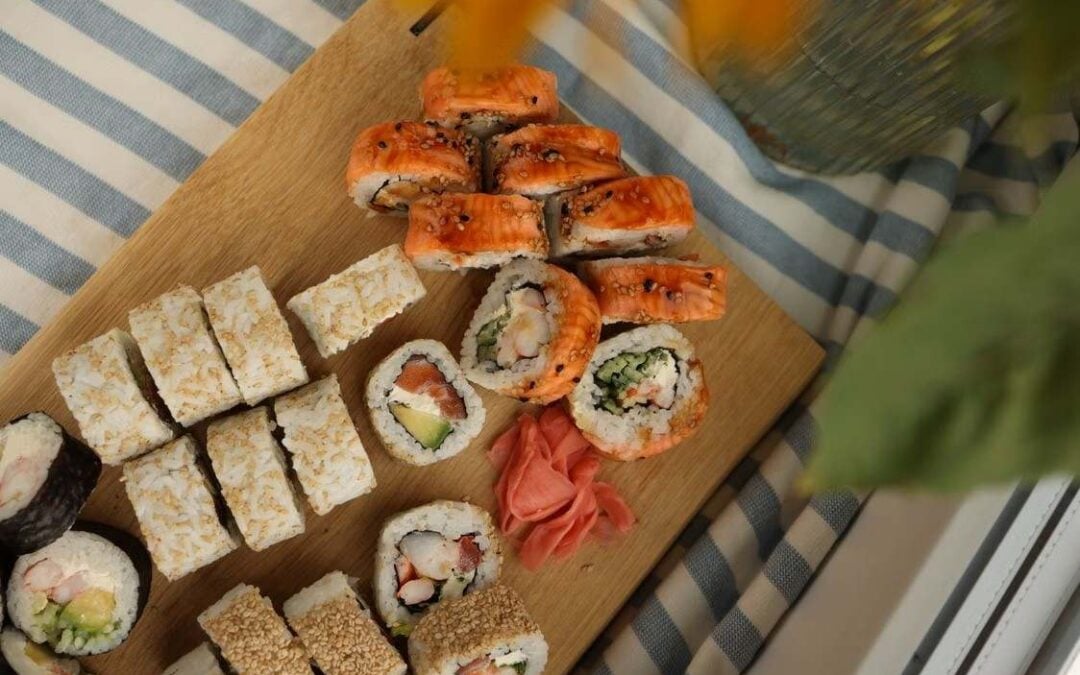
Sushi can be halal, but it depends on the ingredients and preparation method. Plain sushi made with halal fish, rice, seaweed, vegetables, and halal-compliant seasonings can be suitable for halal consumers. The concern usually comes from added ingredients such as mirin, sake, rice wine, alcohol-containing sauces, imitation crab, non-halal meat, pork-derived ingredients, or shared preparation surfaces.
Because sushi has many styles, there is no single halal answer for every roll. A plain salmon avocado roll may be much easier to verify than a tempura eel roll with sauce, imitation crab, and spicy mayo.
Is Fish in Sushi Halal?
Fish is generally halal and does not require Islamic slaughter like land animals. This means sushi made with plain fish such as salmon, tuna, yellowtail, or snapper is usually not the main halal concern. The bigger question is what else is used with the fish.
Brands and restaurants should still verify seafood handling, supplier documents, coatings, marinades, sauces, and possible contact with non-halal ingredients.
AHF’s halal food certification requirements explain that halal food must be prepared without mixing non-halal ingredients into the product.
The Main Halal Risks in Sushi
Sushi becomes questionable when non-halal ingredients are added or when preparation is not controlled.
| Ingredient or Step | Halal Concern |
| Mirin or sake | Often contains alcohol and needs review |
| Rice wine | Alcohol-based ingredient concern |
| Soy sauce | Should be free from alcohol for halal suitability |
| Rice vinegar | Generally acceptable if no alcohol is added after vinegar production |
| Imitation crab | May contain flavorings, starches, egg, colors, or additives needing review |
| Tempura batter | May include doubtful additives or be fried with non-halal items |
| Sauces | Teriyaki, eel sauce, ponzu, and spicy mayo may contain alcohol-derived ingredients |
| Meat toppings | Chicken, beef, or duck must come from halal sources |
| Shared surfaces | Cross-contact with pork, alcohol, or non-halal meat can affect halal integrity |
This is why sushi should be checked roll by roll, not only by restaurant name.
Rice Vinegar, Mirin, and Sake
Seasoned sushi rice usually contains rice vinegar, sugar, and salt. Rice vinegar is generally acceptable when it has completed the vinegar process and no alcohol is added afterward.
Mirin and sake are different. They are commonly used in Japanese cooking and may contain alcohol. They can appear in sauces, marinades, glazes, sushi rice seasoning, eel sauce, teriyaki sauce, or cooked toppings.
For halal consumers, the safest approach is to ask whether any sake, mirin, rice wine, wine, or alcohol-based seasoning is used anywhere in the sushi rice, sauces, marinades, or toppings.
Soy Sauce and Sauces
Soy sauce is common with sushi, but halal status depends on formulation and fermentation. Some soy sauces may contain alcohol or have alcohol present from processing. A halal-certified soy sauce is the safest choice.
Sauces need even more attention. Spicy mayo, eel sauce, teriyaki, ponzu, wasabi blends, and sweet glazes may contain flavorings, vinegar, alcohol-derived ingredients, animal-derived additives, or processing aids.
AHF’s halal ingredients matrix helps explain why ingredients such as alcohol, animal derivatives, flavors, enzymes, and processing aids require careful review.
Imitation Crab and Processed Seafood
Many sushi rolls use imitation crab, also called surimi. It is usually made from processed fish, but that does not automatically make it halal.
Surimi products may include starches, egg white, sugar, flavors, colors, crab flavor, binders, preservatives, or processing aids. Some formulas may be halal-compliant, while others need verification.
The same applies to fish cakes, roe, cooked eel, smoked fish, marinated seafood, and flavored seafood toppings. Once seafood is processed, the full ingredient statement and supplier documentation matter.
Vegetarian Sushi Still Needs Review
Vegetarian sushi may seem automatically halal, but you should still check.
Vegetable rolls can include rice vinegar, sauces, tempura crumbs, mayonnaise, cheese, egg, or fried toppings. If vegetables are fried in shared oil with non-halal meat or alcohol-based batters, that can create concern.
A simple cucumber roll or avocado roll is often easier to verify, but halal consumers should still ask about rice seasoning, sauces, and shared preparation areas.
What Consumers Should Ask
When ordering sushi, ask direct questions instead of asking only, “Is this halal?”
Useful questions include:
- Is any mirin, sake, rice wine, or alcohol used?
- Is the soy sauce halal-certified or alcohol-free?
- Is the sushi rice seasoned with alcohol-containing ingredients?
- Is imitation crab used?
- Are sauces made in-house or purchased?
- Is meat halal-certified?
- Are knives, mats, fryers, and cutting boards shared with pork or non-halal meat?
If staff cannot answer clearly, choose a simpler item or a certified halal option.
What Restaurants and Brands Should Verify
Restaurants, caterers, and food manufacturers should document sushi ingredients before making halal claims.
Important review points include:
- Seafood suppliers
- Rice vinegar and seasoning
- Soy sauce
- Mirin, sake, and cooking wine status
- Sauces and marinades
- Imitation crab and surimi documentation
- Meat and poultry source
- Fryer controls
- Cutting boards, knives, and mats
- Storage and segregation
- Staff training
- Label and menu claims
Summary
Sushi can be halal when the fish, rice, seaweed, vegetables, sauces, seasonings, and preparation controls meet halal requirements.
For consumers, the best approach is to ask specific ingredient questions and choose simple, clearly verified rolls. For businesses, halal sushi requires ingredient documentation, supplier review, staff training, and controls that prevent contact with non-halal materials.

Azmi Anees is a certification and compliance specialist working with the American Halal Foundation, where he focuses on global halal certification programs, integrated audits, and market-access strategy for food, cosmetic, nutraceutical, and ingredient manufacturers. He has worked closely with multinational brands and SMEs across North America, the Middle East, and Southeast Asia. His insights emphasize on practical guidance for manufacturers looking to achieve halal compliance while improving operational efficiency and global market reach.



 Food
Food Bread & Bakeries
 Beverages
 Coffee
 Confectionery Products
 Dairy & Cheese
 Food Service
 Food Enzymes
 Meat and Poultry
 Natural & Artificial Food Flavors
 Nuts & Dried Fruits