
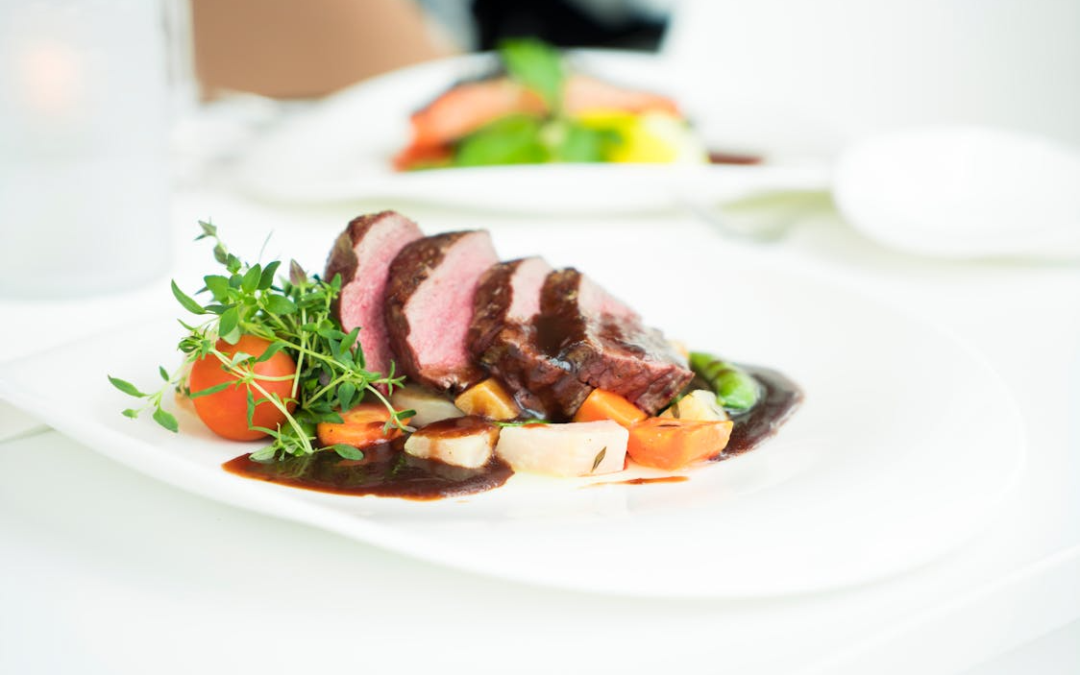
Short Answer: Yes, Duck Is Halal When Slaughtered Islamically
Is duck halal? Yes, duck is considered a halal species in Islamic dietary law, provided it is slaughtered according to halal requirements.
This means the question is not only about the animal itself. It is also about how the duck was slaughtered, processed, stored, handled, and served.
A duck dish may start with a halal species, but it can still become unsuitable for halal consumers if the slaughter is not halal, the ingredients include haram substances, or the product is exposed to cross-contamination.
Why Is Duck Considered Halal?
Duck is a type of poultry. It is not a predatory bird, and it is not included among the prohibited animal categories in Islamic dietary guidelines.
According to AHF Halal Standards, halal meat and poultry must come from lawful species. Duck is included among the examples of halal poultry species.
That said, being a halal species is only the first step. For the meat to be halal for consumption, the slaughter and handling process must also meet halal requirements.
What Makes Duck Meat Halal?
Duck meat becomes halal when the full process meets halal standards.
In general, this includes:
- The duck must be from a halal species.
- The animal must be alive at the time of slaughter.
- The slaughter must be performed according to Islamic requirements.
- The blood must be properly drained.
- The meat must be protected from haram contamination after slaughter.
For commercial poultry operations, these requirements are not just religious concepts. They must be built into the supplier approval process, production controls, sanitation procedures, storage, transportation, and labeling.
For businesses handling duck products, Halal Certification for Meat & Poultry can help verify that the slaughter and handling process meets recognized halal expectations.
When Would Duck Not Be Halal?
Duck is not automatically halal just because it is a non-predatory bird.
A duck product may not be halal if:
| Situation | Why It Matters |
| The duck was not halal-slaughtered | Lawful species still require proper slaughter |
| The duck was cooked with alcohol | Wine, beer, or alcohol-based sauces can affect the halal status |
| The duck was processed with non-halal animal ingredients | Gelatin, enzymes, flavorings, or fats may be from non-halal sources |
| The duck touched pork or non-halal meat | Cross-contact can compromise halal integrity |
| The restaurant cannot verify sourcing | A menu claim is not the same as certification |
This is why halal consumers should not rely on the dish name alone. “Duck breast,” “roast duck,” or “duck confit” does not automatically mean the food is halal.
What About Duck Served in Restaurants?
Restaurant duck dishes need extra care.
Many popular duck recipes use wine, brandy, lard, pork stock, non-halal broths, or shared cooking surfaces. Even if the duck itself was halal-slaughtered, the final dish may not remain halal if it is prepared with haram ingredients or cooked on contaminated equipment.
Consumers can ask:
- Is the duck halal-certified?
- Who is the supplier?
- Is alcohol used in the sauce or marinade?
- Is the duck cooked on shared equipment?
- Is pork prepared in the same kitchen?
- Is there a halal certificate available?
A verbal assurance may help, but a halal certificate gives consumers and businesses a clearer basis for trust.
Why Cross-Contamination Matters
Cross-contamination is one of the most common halal risks in food production and food service.
This can happen when halal duck is stored near non-halal meat, processed on shared equipment, fried in shared oil, or handled with utensils used for pork or alcohol-containing dishes.
For manufacturers, this is where halal control points become important. A halal duck product needs proper supplier documents, production separation, sanitation controls, storage practices, and label review.
Read More: Guide to Understanding Cross Contamination in Halal Certification
Do Duck Products Need Halal Certification?
For individual consumers, the concern is whether the duck they are eating is halal-slaughtered and free from haram contamination.
For businesses, the issue is bigger. If a company wants to sell duck meat, frozen meals, ready-to-eat entrees, sauces, broths, or restaurant products to halal consumers, certification can help prove the halal integrity of the product.
Halal certification can support:
- Consumer trust
- Retail acceptance
- Food service credibility
- Export readiness
- Ingredient verification
- Production control
- Label confidence
Businesses can review Halal Certification Requirements to better understand how halal compliance applies across sourcing, production, sanitation, documentation, warehousing, and labeling.
Summary
Duck is halal as a species, but duck meat is only halal for consumption when it is slaughtered and handled according to halal requirements.
For consumers, the safest approach is to verify the slaughter source, check for alcohol or haram ingredients, and ask about cross-contamination. For businesses, halal certification provides a structured way to protect halal integrity from supplier approval to final labeling.
If your company produces, imports, distributes, or serves duck products, AHF can help assess your halal certification needs and guide you through the process.
Frequently Asked Questions (FAQs)
Q1: Is duck halal in Islam?
Yes, duck is considered halal as a species because it is lawful poultry.
However, the duck must still be slaughtered and handled according to halal requirements.
Q2: Is roast duck halal?
Roast duck is halal only if the duck was halal-slaughtered and prepared without haram ingredients. Consumers should also check whether alcohol, pork-based ingredients, or shared cooking equipment were used.
Q3. Can Muslims eat duck from a regular restaurant?
Muslims should verify the source before eating duck from a regular restaurant. If the restaurant cannot confirm halal slaughter and halal preparation, the dish should not be assumed halal.
Q4. Is duck egg halal?
Duck eggs are generally considered halal because they come from a halal bird species. As with other foods, they should be free from contamination with haram substances during handling or preparation.
Q5. Does duck need halal certification?
For commercial sale, halal certification is strongly recommended when duck products are marketed to halal consumers. Certification helps verify slaughter, sourcing, processing, storage, and labeling controls.
Q6. What should businesses check before selling halal duck?
Businesses should verify halal slaughter, supplier documents, ingredient sources, sanitation controls, and cross-contamination risks. They should also make sure product labels and marketing claims accurately reflect the halal status.

Azmi Anees is a certification and compliance specialist working with the American Halal Foundation, where he focuses on global halal certification programs, integrated audits, and market-access strategy for food, cosmetic, nutraceutical, and ingredient manufacturers. He has worked closely with multinational brands and SMEs across North America, the Middle East, and Southeast Asia. His insights emphasize on practical guidance for manufacturers looking to achieve halal compliance while improving operational efficiency and global market reach.



 Food
Food Bread & Bakeries
 Beverages
 Coffee
 Confectionery Products
 Dairy & Cheese
 Food Service
 Food Enzymes
 Meat and Poultry
 Natural & Artificial Food Flavors
 Nuts & Dried Fruits