
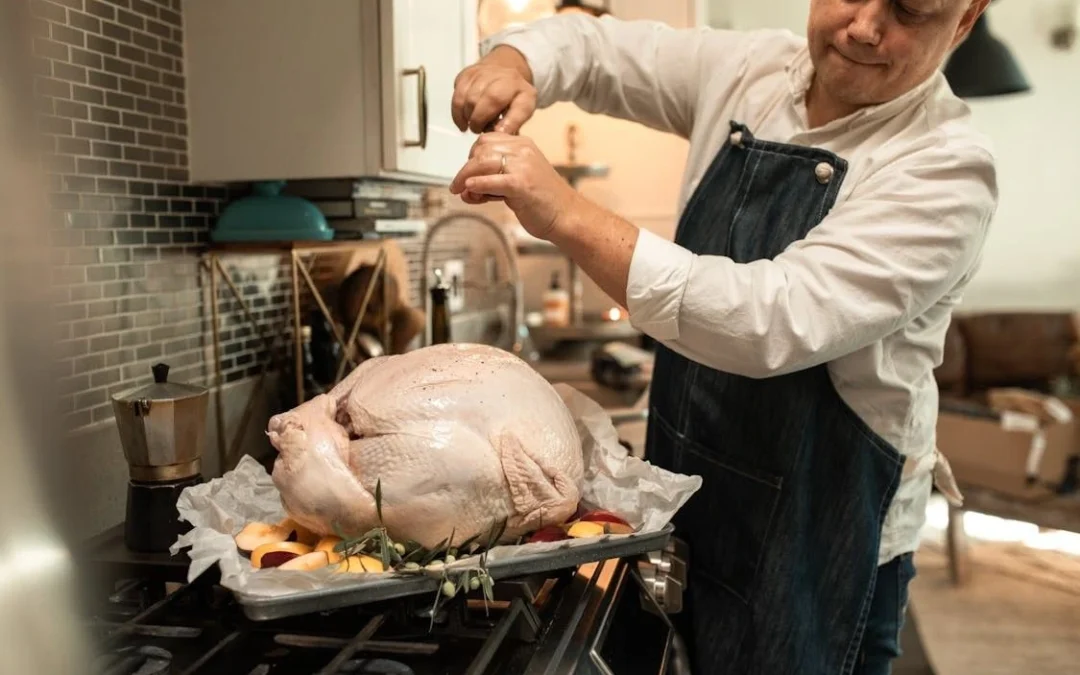
Turkey is a lawful poultry species under AHF Halal Standards. But halal status does not come from species alone. It also depends on how the bird was slaughtered, which ingredients were added, and whether the product remained free of contamination during processing and handling.
The Short Answer
A turkey product is halal when it comes from a lawful bird species, is slaughtered according to halal requirements, and remains free from non-halal ingredients and contamination. If one of those conditions is missing, the final product may not be halal. AHF’s food certification requirements say the halal identity of a product should be protected from start to finish.
Why Is Turkey Itself Not The Issue
Turkey is not like pork. Pork is prohibited by default. Turkey is not. Under AHF’s standards, turkey is listed among halal poultry species, along with chicken, duck, quail, and similar birds. So the real issue is not whether Turkey is lawful in itself. The real issue is whether the specific turkey product was prepared in a halal-compliant way.
This matters because shoppers often ask a simple question about a more detailed process. A raw whole turkey, a deli turkey slice, a turkey sausage, and a frozen turkey meal may all contain turkey, but they do not raise the same halal questions.
What Makes Turkey Halal
For a turkey product to qualify as halal, a few things must line up.
First, the bird must come from a lawful species. Turkey meets that requirement. Second, the slaughter must follow halal rules. Codex halal guidelines say the animal should be alive at the time of slaughter, the name of Allah should be invoked immediately before slaughter, and the slaughter should cut the trachea, esophagus, and major blood vessels in the neck region.
Third, the product must stay protected from contamination. Shared equipment, non-halal processing aids, or poor segregation can all affect halal status. That is why a halal review is not only about the bird itself. It is also about the process around it. AHF’s Halal Certification for Meat & Poultry and food certification guidance both reflect that process-based approach.
When Turkey Would Not Be Halal
A turkey product may be non-halal if:
- It was not slaughtered according to halal requirements
- It was processed on shared equipment without proper halal controls
- It contains non-halal additives, flavorings, or processing aids
- It was contaminated during storage, transport, or preparation
This is where the species name is no longer enough. A lawful bird can still become part of a non-halal product if the slaughter, ingredients, or process do not meet halal requirements. AHF’s Halal and Haram Ingredients List is helpful here because it shows how additives, preservatives, and other inputs can affect halal status.
Why Processed Turkey Needs A Closer Look
This is the part many readers care about most.
A raw turkey is usually a simpler halal review. Processed turkey is different. Deli turkey, turkey bacon, turkey sausage, smoked turkey, and ready-to-eat meals may include binders, broths, emulsifiers, smoke flavor, curing ingredients, or other additives. Each one needs its own review.
That is why ingredient verification matters. AHF’s article Are Mono Diglycerides Halal? is a good example of how a common additive may be halal in one case and non-halal in another, depending on source and handling. The same logic applies to processed turkey products. Do not judge the product by the main protein alone. Review the full label.
How To Check If A Turkey Product Is Halal
A simple review starts with a few practical questions:
- Is it from a lawful poultry species?
- Was it hand-slaughtered according to halal requirements?
- Does it carry a trusted halal certification mark?
- Are the added ingredients halal?
- Was it handled in a way that avoids contamination?
If the product is processed, certification becomes even more useful because it helps verify slaughter, ingredients, facility controls, and contamination prevention in one review. AHF’s halal logo guidance also reminds consumers to understand which halal marks they are relying on and why.
Final Thoughts
Turkey can absolutely be halal. But the word “turkey” alone does not make a product halal.
The better question is whether the bird was slaughtered properly, whether the ingredients are acceptable, and whether the product stayed free from contamination throughout processing and handling. That is the standard that really matters. If you are buying a processed turkey product, the safest step is to look for a trusted halal certification mark and verify the product rather than assume it is halal.
Frequently Asked Questions (FAQs)
Q1: Is plain turkey meat halal?
It can be. Turkey is a lawful poultry species, but the meat must still be slaughtered according to halal requirements and kept free from contamination.
Q2: Is deli turkey always halal?
No. Deli turkey may contain added ingredients such as flavorings, binders, curing agents, or emulsifiers. Those ingredients and the processing method also need to be halal.
Q3. Is turkey bacon halal?
Not always. Even though it is made from turkey, the product may still contain non-halal additives or be processed in a way that affects its halal status.
Q4. How can I tell if a turkey product is halal?
The best way is to check for a trusted halal certification mark and, if the product is processed, review the ingredient list.
Q5. Why does processing matter so much for turkey products?
Because a processed turkey product may include extra ingredients and may be exposed to cross-contamination during production, storage, or transport

Azmi Anees is a certification and compliance specialist working with the American Halal Foundation, where he focuses on global halal certification programs, integrated audits, and market-access strategy for food, cosmetic, nutraceutical, and ingredient manufacturers. He has worked closely with multinational brands and SMEs across North America, the Middle East, and Southeast Asia. His insights emphasize on practical guidance for manufacturers looking to achieve halal compliance while improving operational efficiency and global market reach.



 Food
Food Bread & Bakeries
 Beverages
 Coffee
 Confectionery Products
 Dairy & Cheese
 Food Service
 Food Enzymes
 Meat and Poultry
 Natural & Artificial Food Flavors
 Nuts & Dried Fruits