
Halal Certification for Cheese & Dairy
- Dedicated Cheese & Dairy Specialists
- Internationally Accredited and Recognized
- Ability to Combine the Halal Audit with GMP, Gluten-Free, Non-GMO, and Vegan
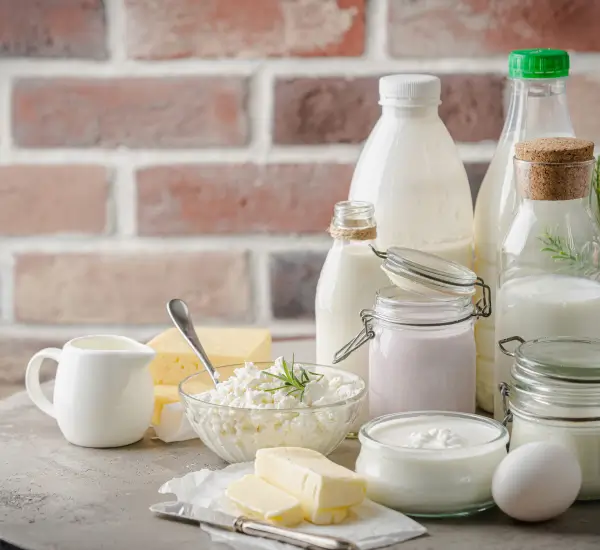
Halal Certification Process for Cheese and Dairy Products
Halal Certification Explainer Video
1 |
Application
|
| The American Halal Foundation (AHF) will process your application. Your designated Certification Manager will guide you through the application process to determine the halal status of the facility and its products. | |
 5-7 Business Days
2 |
Audit
|
| Your Certification Manager will schedule a halal audit on a mutually convenient day. The audit typically lasts 4 hours and includes a training session for employees who will be responsible for overseeing the halal production. | |
3 |
Halal Certification
|
|
🎉 Congratulations Upon the successful completion of the halal audit, your products and facility are now officially halal certified and recognized as such internationally. You may add products or facilities at any time by simply contacting your Account Executive. |
|
Halal Certification Requirements for Cheese & Dairy Products
Here are the general halal certification requirements for pharmaceutical products in line with the AHF halal standards:
| Area | Halal Requirement |
|---|---|
| 1. Milk & Dairy Ingredients | All milk and dairy ingredients (milk, cream, whey, casein, butterfat) must be sourced from halal animals (cows, sheep, goats) that are not fed or treated with haram substances. No derivatives from pigs or non-slaughtered animals. |
| 2. Rennet (Animal, Microbial, or Fermentation-Derived) | If animal rennet is used, it must come from halal-slaughtered animals. Microbial or fermentation-produced rennet is generally permissible but must be verified to ensure the growth media contains no haram components such as porcine peptones or non-halal meat extracts. |
| 3. Enzymes & Coagulants | All enzymes used for coagulation, ripening, flavor development, and processing must be from halal-certified or plant/microbial sources. Fermentation media must be free of alcohol, blood derivatives, and non-halal materials. |
| 4. Starter Cultures & Microbial Media | Starter cultures must not be grown on substrates containing pork-derived peptones, blood, or non-halal meat extracts. Culture suppliers must provide halal compliance documentation for both the inoculum and the media. |
| 5. Additives & Processing Aids | Emulsifiers, stabilizers, anti-caking agents, colorants, flavors, and anti-foams must be halal-compliant. Critical additives such as mono/diglycerides, lipase, or flavor carriers must not be derived from pork, non-halal animals, or alcohol-based solvents unless within halal standard limits. |
| 6. Alcohol / Ethanol Use | Ethanol cannot be used as an ingredient in cheese or dairy products. If used as a processing aid or solvent (e.g., sanitization or flavor extraction), it must meet halal solvent criteria and residual levels must be within permissible halal limits (≤5,000 ppm in the final product). |
| 7. Cross-Contamination Control | Cheese production lines must ensure strict segregation from non-halal materials. Equipment, vats, pipelines, CIP systems, packaging lines, and storage areas must have validated controls to prevent contamination from non-halal rennet, enzymes, flavors, or pork/animal-derived ingredients. |
| 8. Cleaning & Sanitization Chemicals | All detergents, lubricants, and CIP chemicals used on product-contact surfaces must be free from animal-derived tallow or other haram inputs. Halal-compliant or synthetic alternatives must be used. |
| 9. Equipment, Rework & Waste Handling | Rework must not contain non-halal materials. Equipment shared with non-halal cheese (using non-halal rennet or pork enzymes) must undergo halal-approved cleaning and verification before switching to halal production. |
| 10. Packaging Materials | Packaging must not be coated or treated with animal-based stearates or alcohol-based inks beyond halal limits. Food-contact packaging must have compliance evidence when materials are from high-risk sources. |
| 11. Supplier Approval & Traceability | Every ingredient, rennet, cultures, enzymes, flavors, and additives must be supported by halal declarations or certificates. Full traceability from raw milk intake to finished product must be maintained. |
| 12. Contract Manufacturing / Third-Party Sites | Any co-packer or toll processor used must comply with the same halal requirements and must be included in the halal certification scope and audit process. No mixing of halal and non-halal cheese on shared lines without validated segregation. |
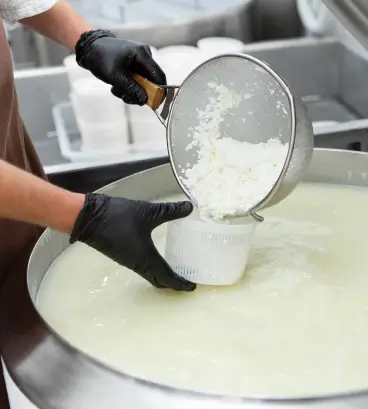
Why is Rennet Important and Where Does It Come From?
Animal rennet is a combination of enzymes that are produced in the stomachs of certain mammals. The main component is chymosin, which, along with other enzymes, curdles the milk. This is not suitable for halal cheese because there is no guarantee of how the cow was slaughtered and even if the rennet is from a cow or other animal.
Other rennet types include:
- Plant-based derived from thistles, nettles, and other plants
- Microbial enzymes derived from yeast and fungi
- Genetically-modified sources
Manufacturers use the type of rennet that sells cheese. If it is important to appeal to vegetarians and Muslims, the manufacturers will use plant-based or microbial rennet.
Why Does Cheese Rind Matter?
You may throw away the rind and not give it another thought. If you purchase halal-certified cheese, you won’t have a problem.
If you are unable to source halal-certified cheese your next best choice is a cheese that is manufactured suitable for vegetarians. However, you will need to check the rind creation. Some natural rinds are created by whipping the surface of the wheel with lard, olive or vegetable oil, or sometimes wine or beer.
How to Know?
Rather than study all the elements of cheese making, you can be sure you are eating halal cheese by looking for a halal certification mark on the package. These certifications are important because reading the ingredients alone may not be enough. The manufacturer may change the rennet type without informing Muslim consumers. Vegetarians and halal consumers can stay safe by finding the certification.
By choosing cheese products that are halal-certified, you help support the halal industry and encourage manufacturers interested in serving the halal consumer. These products have gone through the proper channels to make sure they are halal.
Other Dairy Products: Whey, Yogurt & Dairy-based Desserts
Cheese is not the only important dairy product that requires halal certification. Yogurt, whey, and many dairy desserts are also popular products that are manufactured similarly to cheese.
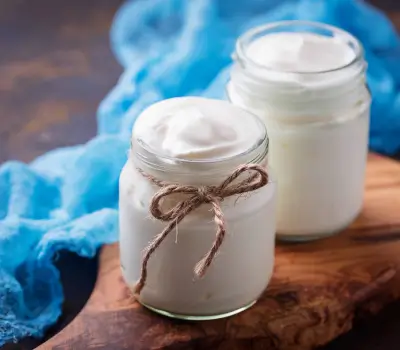
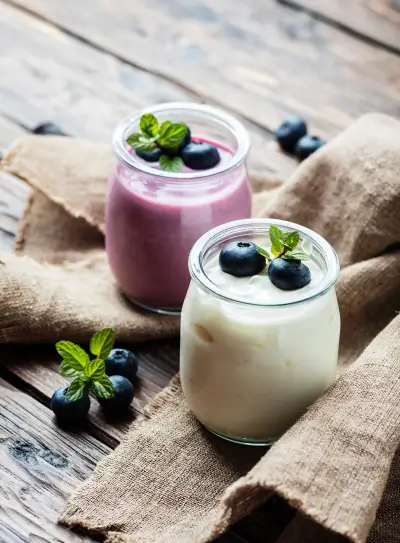
a)Yogurt
Many yogurt products are thickened using gelatin, which can come from many sources. If it is derived from beef or pork, it must be certified halal to be considered permissible to consume. While animal-derived gelatin can be replaced with fish gelatin or plant thickeners, halal certification will offer much-needed peace of mind to halal consumers concerned about what’s in their food. And because yogurt is a staple of regions where halal diets comprise the majority—such as the Middle East and Northern Africa—it becomes that much more important to indicate that yogurt manufacturers certify their products.
b)Whey
Whey protein represents one of the fastest growing and most profitable industries on the market. But while whey on its own is halal, it is also manufactured using rennet—which, if you remember, can be processed with animal-based enzymes. Therefore, whey also must be certified in order to ensure it is consumable.
c)Desserts
Dairy treats such as ice cream and cakes are more difficult to certify since they often contain a long list of ingredients. Without certification, halal consumers usually resort to doing the safer thing by deciding not to purchase any dessert in case it is made with gelatin, lard, or alcohol-based flavorings. Certification saves halal consumers from the trouble having to decide whether their desserts are consumable or not.
Apply for Halal Certification
With the industrialization of food manufacturing and the complications of processing, handling, packaging, and storing food over the centuries, it became more and more difficult to verify food.
Today, the AHF halal symbol is recognized around the world for epitomizing integrity, wholesomeness, and authenticity for halal-compliant food. This means consumers don’t need to read labels and wonder.
If you are a cheese or dairy business, call American Halal Foundation at +1 (630) 759-4981 for more information on how to become halal-certified today.

Testimonials
 Food
Food Bread & Bakeries
 Beverages
 Coffee
 Confectionery Products
 Dairy & Cheese
 Food Service
 Food Enzymes
 Meat and Poultry
 Natural & Artificial Food Flavors
 Nuts & Dried Fruits