Halal Export Certificate
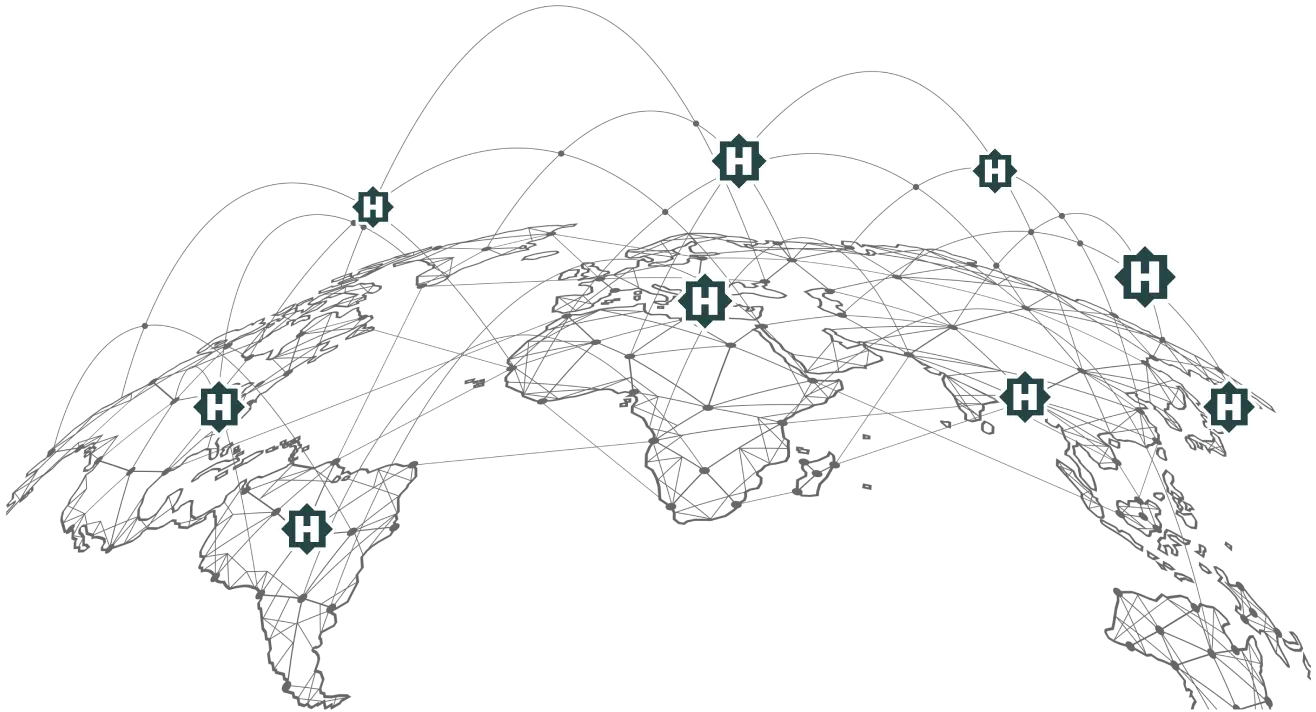
Backed by AHF’s global recognition network, AHF’s Halal Export Certificate enables companies to access halal consumer markets worldwide across Southeast Asia, Middle East, South Asia, Africa, Europe, and beyond.
Backed by AHF’s global recognition network, AHF’s Halal Export Certificate enables companies to access halal consumer markets worldwide across Southeast Asia, Middle East, South Asia, Africa, Europe, and beyond.
The single AHF Halal Export Certificate is recognized by all major halal accreditation authorities.
 Halal Product Assurance Organizing Body (BPJPH)
 Indonesia
 The Department of Islamic Development Malaysia (JAKIM)
 Malaysia
 World Halal Food Council (WHFC)
 Global
 The Central Islamic Council of Thailand (CICOT)
 Thailand
 GCC Accreditation Center (GAC)
 Saudi Arabia
 Majlis Ugama Islam Singapura (MUIS)
 Singapore
 Saudi Halal CenterSaudi Arabia
 Saudi Standards, Metrology and Quality Organization (SASO)Saudi ArabiaHalal Product Assurance Organizing Body (BPJPH)IndonesiaThe Department of Islamic Development Malaysia (JAKIM)MalaysiaWorld Halal Food Council (WHFC)GlobalThe Central Islamic Council of Thailand (CICOT)ThailandGCC Accreditation Center (GAC)Saudi ArabiaMajlis Ugama Islam Singapura (MUIS)SingaporeSaudi Halal CenterSaudi ArabiaSaudi Standards, Metrology and Quality Organization (SASO)Saudi Arabia
Many companies face halal-related challenges when exporting not because their products fail to meet halal requirements, but because their certification is not recognized or accredited by the relevant halal authority.
AHF’s Accreditation Team works continuously to maintain and expand global recognition, helping ensure that a single AHF Halal Certificate is accepted across major halal consumer markets worldwide.
“We are halal certified, so we can ship anywhere.”
Whether your certifier is accredited in that country, the certificate covers the exact SKU on the invoice, and the label meets local language rules.
Product held at port. Demurrage charges. A damaged distributor relationship. Recertification, then shipping months later.
The question a manufacturer should ask is not simply, “Are we halal certified?” but rather, “Is our halal certification recognized and accepted by the authorities in our target export market?”
Check Which Markets Your Current Certificate Covers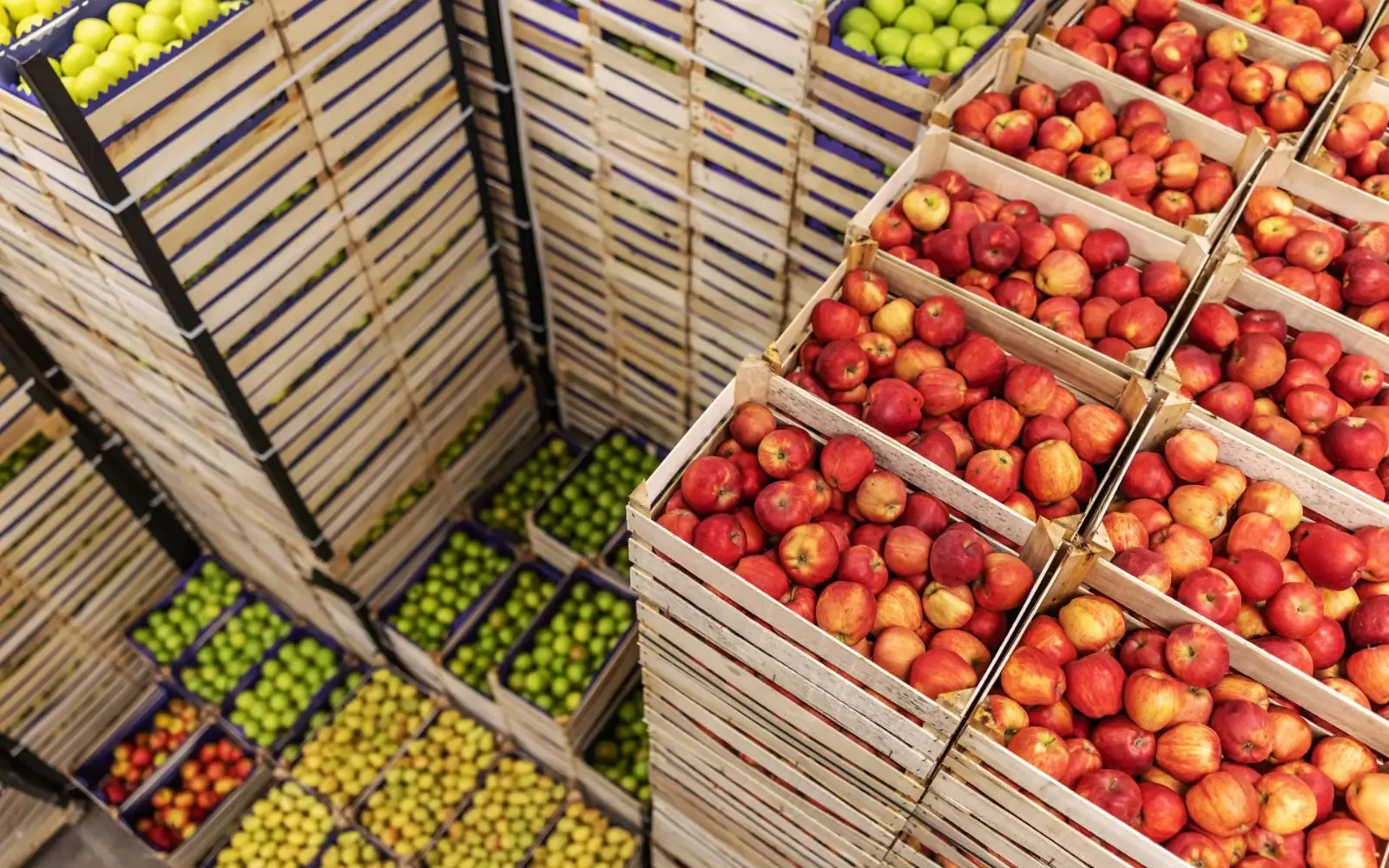
A Halal Export Certificate is destination-focused halal certification. This certification program will cover your facility and products to meet destination-specific halal requirements for each market where halal certification is regulated on a government level.
Not sure which halal certification applies to you? Talk to a specialist here

That AHF’s accreditation is accepted by the competent authority in your destination market.

All SKUs on your commercial invoice appear on your halal product certificate.

No ingredient, supplier or processing aid has changed since approval.

Any shared lines, storage and transport are documented and controlled (if applicable).

The halal mark, language and claim wording meet the destination’s rules.

Certificate is valid at the time of arrival.
Halal labeling rules are set locally and are the second most common cause of export delays after certificate recognition. Requirements can vary significantly by market, including the approved halal logo, certificate or registration numbers, language requirements, product naming, importer information, ingredient declarations, and the placement or size of halal marks on packaging.
If you ship to several regulated markets, you do not need a separate certification program for each one. Where AHF holds recognition across those markets, one certification program can support them all, with destination-specific documentation and labeling applied per market.
See the full country-by-country breakdown of authorities, standards and labeling rulesWho it is for - U.S. manufacturers and brand owners exporting their products outside the United States.
Prerequisite - An active AHF halal certification; the export certificate is issued against certified products only.
Markets - Indonesia, GCC, Malaysia, Singapore, Pakistan, Thailand and more.
Your concern is the border, not the audit. Start by confirming that AHF’s recognition covers your destination, then match your certified product list to the SKUs on the purchase order. Most delays we see come from a SKU that was added after the last audit.
Speak to a Halal ExpertYou need the mapping: authority, standard, audit scope and labeling requirement per destination. We provide that mapping before you commit, along with the documentation trail your auditors and your importer will both ask for.
See requirements by countryYour customers inherit your halal status. Certification at the facility level lets every brand you produce for use your certification for their own export documentation, without each one running a separate program.
See private label certificationYou do not need to solve every market at once. Start with the destination on the current purchase order, get certified against that standard, and add markets as they open. We will tell you what is mandatory and what is only commercially expected.
Start Certification
Or send us your existing certificate and we will tell you what it covers. Start Certification
The following are some of the key international markets with a national halal recognition and accreditation program.
Halal certification becomes mandatory for all food and beverages by October 17, 2026, under BPJPH. Foreign certificates must come from a body accredited by Indonesia’s halal authority. Specific labeling rules apply.
JAKIM is the sole authorized body, operating under MS 1500:2019. Extensive audits, labeling controls and supply-chain traceability. Widely accepted across Muslim-majority markets.
Halal logos must be SFDA-approved. Requirements follow GSO 2055-1:2015 and GSO 2055-2:2015 for halal management systems and slaughter. Specific labeling guidelines apply.
MOIAT oversees the national halal framework. EIAC and ENAS accredit certification bodies under MOIAT. Strict rules on ingredients, packaging, labeling, storage and transport.

Certificates must come from a foreign certifier approved by the Ministry of Public Health. Follows GSO 2055-1:2015. Requires Arabic halal labeling, compliant slaughter and segregation.
MUIS is the sole national certifier and accreditation body, covering products, food service, catering and manufacturing. Strongly recognized across Southeast Asia.

Governed by PS: 3733-2016 under the Pakistan Halal Authority. Mandatory for food exports to the GCC, Malaysia and Indonesia. Traceability, slaughter compliance and labeling control.
CICOT is the only authorized body, certifying to OIC/SMIIC standards. Covers food, cosmetics, pharmaceuticals and logistics.
GSO 2055-1:2015 and OIC/SMIIC 1:2019 are the dominant reference standards across the region, with national authorities layering their own labeling and import rules on top.
Shipping somewhere not listed? We cover 180+ countries.
Ask us about your market





Member of the World Halal Food Council
We will map your destination markets to their authorities and standards, and tell you exactly what your current certification does and does not cover. No cost.
Start Your Journey