
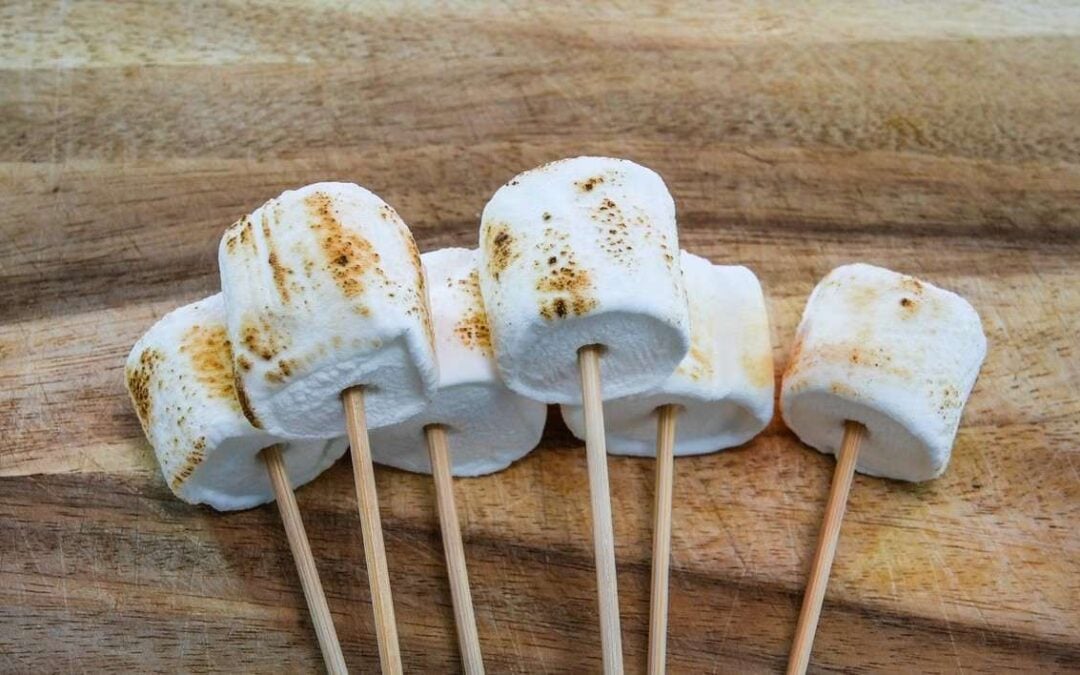
The answer depends largely on the type and source of gelatin used, along with other ingredients and how the marshmallows are manufactured.
Some marshmallows can meet halal requirements, while others may contain non-halal gelatin or ingredients that need further verification.
Are Marshmallows Halal?
The short answer is that marshmallows can be halal, but many are not. The main ingredient to check is gelatin, which is commonly used to give marshmallows their soft, chewy texture. If the gelatin comes from pork or from an animal that was not slaughtered according to halal requirements, the marshmallows would not be considered halal.
WWhy Is Gelatin Important in Marshmallows?
Gelatin helps give marshmallows their familiar soft and elastic texture. Because it is derived from animal collagen, its source can directly affect whether a product meets halal requirements.
AHF considers gelatin a high-risk ingredient and requires its source and processing to be verified. Here are the main gelatin sources and their halal determination:
a) Pork Gelatin
Pork and its derivatives are prohibited under halal standards. Therefore, marshmallows made with pork-derived gelatin do not qualify as halal.
b) Halal Animal Gelatin
Gelatin from a permissible land animal can meet halal requirements when the animal has been slaughtered according to Islamic requirements and the gelatin is processed and handled in accordance with halal standards.
c) Fish Gelatin
Fish gelatin can be a halal alternative to land-animal gelatin. However, the complete product still needs to be assessed because other ingredients and manufacturing practices can affect halal compliance.
d) Plant-Based Alternatives
Some marshmallows use ingredients such as agar-agar, pectin, or carrageenan instead of animal-derived gelatin. These alternatives can remove the concern over animal gelatin, but they do not automatically make the entire product halal.
| Marshmallow ingredient | Halal consideration |
| Pork-derived gelatin | Not halal |
| Halal-certified gelatin | Can meet halal requirements |
| Gelatin from a permissible animal | Source, slaughter, processing, and handling must be verified |
| Fish gelatin | Generally halal, subject to other ingredients and processing |
| Agar-agar, pectin, or carrageenan | Plant-based alternatives to gelatin; the complete product still needs halal verification |
The key takeaway: The type and source of the gelling agent matter, but gelatin is not the only factor. Other ingredients, processing aids, and manufacturing practices can also affect a marshmallow’s halal status.
What Other Ingredients Should You Check?
Gelatin may be the main concern, but it is not the only one. Depending on the formulation, marshmallows can contain flavorings, colors, emulsifiers, glycerin, and other additives.
1. Flavorings and Additives
Some ingredients may have animal-derived sources or require further verification. AHF’s halal requirements cover ingredients, additives, processing aids, and other materials used in production.
When checking a marshmallow product, pay particular attention to:
- Gelatin and other animal-derived ingredients
- Flavorings
- Emulsifiers
- Glycerin and similar additives
- Processing aids
2. Manufacturing and Cross-Contamination
Halal compliance also extends beyond the ingredient list. Production, storage, handling, and sanitation must be managed to prevent contamination with non-halal materials. AHF’s requirements address these controls as part of maintaining halal integrity.
How Can You Check if Marshmallows Are Halal?
Knowing what to look for can make checking a marshmallow product much easier.
1. Look for Halal Certification
The simplest option is to look for a recognized halal certification mark on the packaging or verify certification status by directly contacting the brand. Halal certification is the only trusted assurance that a product has been reviewed against recognized halal requirements.
2. Check the Ingredient List
If there is no halal certification, review the ingredients carefully. If the source of gelatin or another animal-derived ingredient is unclear, do not assume it is halal.
3. DIY – Ask the Manufacturer
Manufacturers can provide information about ingredient sources, suppliers, and production practices. For businesses seeking certification, AHF reviews ingredient and raw-material information along with manufacturing processes as part of its certification process.
Why Does Halal Certification Matter for Marshmallow Manufacturers?
For manufacturers, halal certification provides a structured way to demonstrate that their confectionery products meet halal requirements. AHF provides halal certification for confectionery products, covering ingredients, processes, and facilities.
AHF’s certification process includes qualification application, documentation review, auditing, and certification. This helps manufacturers maintain halal integrity from raw materials through production and handling.
For halal consumers, the most reliable way to determine whether a product is halal is through recognized halal certification, which confirms that the product has undergone a formal review of its ingredients, manufacturing processes, and applicable halal requirements. For more information, explore AHF Insights.

Azmi Anees is a certification and compliance specialist working with the American Halal Foundation, where he focuses on global halal certification programs, integrated audits, and market-access strategy for food, cosmetic, nutraceutical, and ingredient manufacturers. He has worked closely with multinational brands and SMEs across North America, the Middle East, and Southeast Asia. His insights emphasize on practical guidance for manufacturers looking to achieve halal compliance while improving operational efficiency and global market reach.



 Food
Food Bread & Bakeries
 Beverages
 Coffee
 Confectionery Products
 Dairy & Cheese
 Food Service
 Food Enzymes
 Meat and Poultry
 Natural & Artificial Food Flavors
 Nuts & Dried Fruits