Halal Certification
for Meat & Poultry
Animals must be slaughtered in accordance with the Islamic dietary guidelines in order to be halal.
6-8 wks
Meat category timeline
25+
Countries Recognized
40+ yrs
AHF Halal Expertise



Animals must be slaughtered in accordance with the Islamic dietary guidelines in order to be halal.
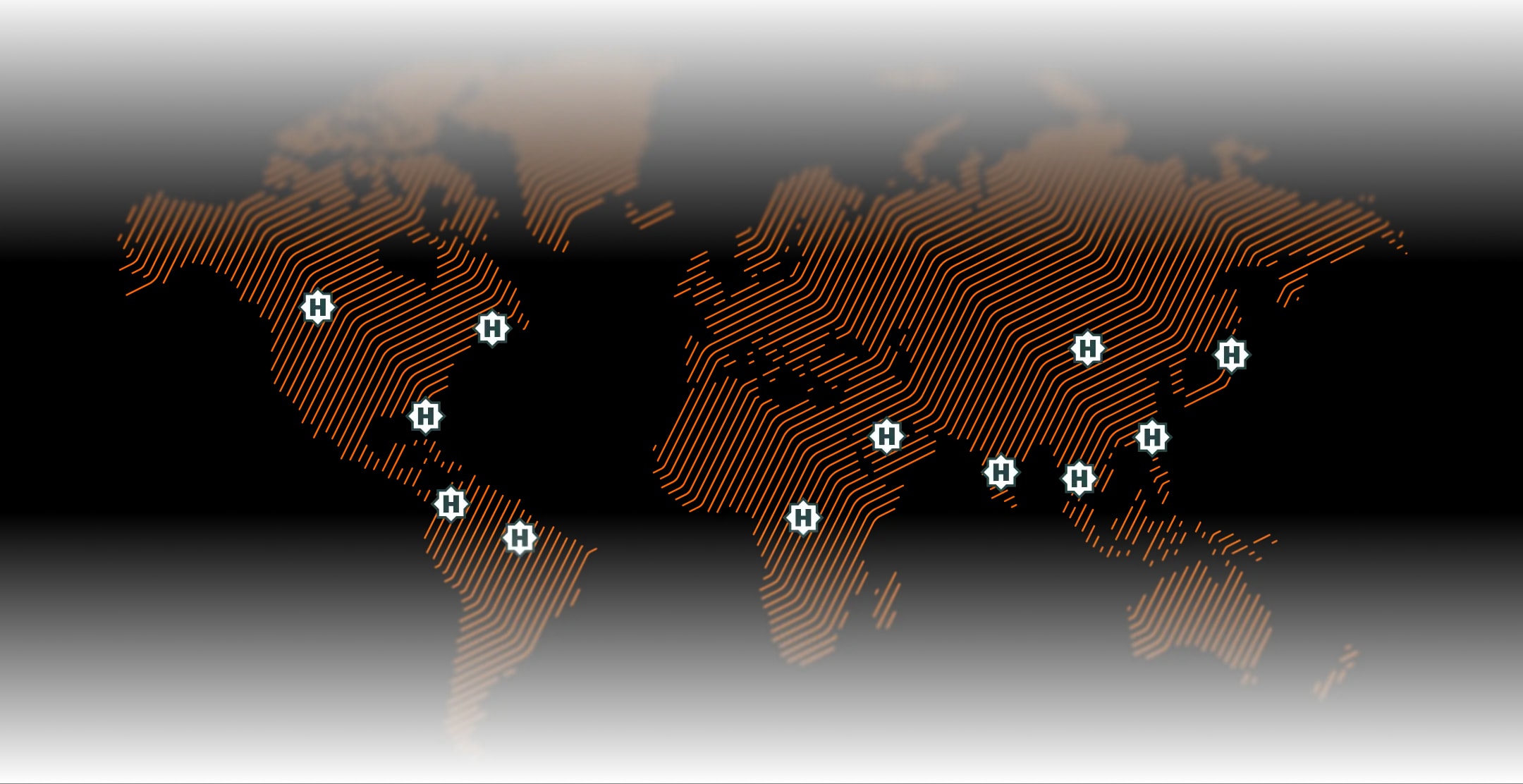
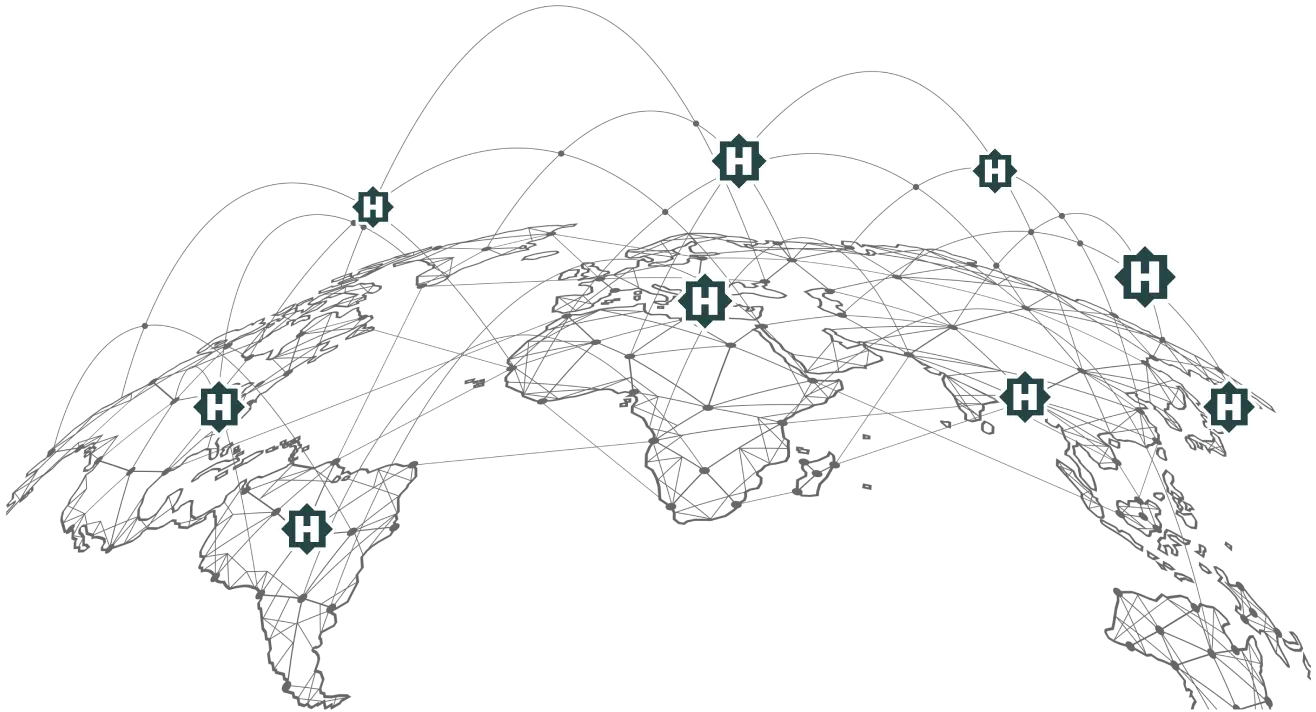
Your AHF certification is recognized by these government bodies and accreditation councils, with no duplicate audits and no separate fees.
 Halal Product Assurance Organizing Body (BPJPH)
 Indonesia
 The Department of Islamic Development Malaysia (JAKIM)
 Malaysia
 World Halal Food Council (WHFC)
 Global
 The Central Islamic Council of Thailand (CICOT)
 Thailand
 GCC Accreditation Center (GAC)
 Saudi Arabia
 Majlis Ugama Islam Singapura (MUIS)
 Singapore
 Saudi Halal CenterSaudi Arabia
 Saudi Standards, Metrology and Quality Organization (SASO)Saudi ArabiaHalal Product Assurance Organizing Body (BPJPH)IndonesiaThe Department of Islamic Development Malaysia (JAKIM)MalaysiaWorld Halal Food Council (WHFC)GlobalThe Central Islamic Council of Thailand (CICOT)ThailandGCC Accreditation Center (GAC)Saudi ArabiaMajlis Ugama Islam Singapura (MUIS)SingaporeSaudi Halal CenterSaudi ArabiaSaudi Standards, Metrology and Quality Organization (SASO)Saudi Arabia
Halal meat is essentially defined by the type of animal, its slaughter method and post-slaughter-handling. Here are the general halal requirements for meat & poultry:
Animals must arrive alive, healthy and handled humanely. No animal is slaughtered in view of another, and the knife is sharpened so the animal does not suffer prolonged pain.
Only reversible stunning is permitted. The animal must be alive and capable of recovery at the cut, and lethal methods are prohibited.
A horizontal cut at the front of the neck severing the esophagus, trachea and both jugular veins, without cutting the spinal cord, performed by a practicing Muslim invoking the name of God.
Heads and skins are removed only after death, and halal carcasses are chilled, processed and stored strictly apart from non-halal lines.
Physical or validated temporal separation from non-halal raw materials, tools, belts, storage and transport. Colour-coded utensils are preferred.
Batch-wise records covering lot and plant numbers, slaughter dates, stunning logs, ingredient COAs and cleaning records.
Testing is carried out only in ISO 17025-accredited halal laboratories, with porcine DNA screening where risk is identified.
An annual on-site audit with interim spot checks, backed by continuous internal monitoring from the plant's own Halal Committee.
USDA covers food safety, not halal compliance. Slaughter method, stunning reversibility, feed, segregation and tasmiyah are all outside its scope.

Gulf and Southeast Asia are the highest-growth halal food markets and major retailers there require certification to list. The audience is also wider than it looks: many non-Muslim buyers seek out halal meat because they associate the complete bleed-out with a cleaner, more tender product.
AHF certifies to the highest halal standards acceptable to all 2 billion halal consumers.
AHF certifies to the highest halal standards acceptable to all 2 billion halal consumers.
Halal certification covers both sides of the partnership. Here is what each party is responsible for.

In 1983, Mazhar Hussaini conducted one of the first formal halal audits in the United States, laying the groundwork for structured halal certification processes. Since then, Dr. Mohammad Mazhar Hussaini is a pioneering figure in the global halal movement and the President of the American Halal Foundation (AHF). With a career spanning over four decades, Dr. Hussaini has been instrumental in shaping halal certification standards and practices worldwide.
As an author, Mazhar Hussaini has contributed extensively to Islamic literature, focusing on dietary laws and ethical practices. His notable works include “Islamic Dietary Concepts & Practices”, “The Institution of Fasting”, and “My Little Book of Halal and Haram”, among others. These publications serve as essential resources for understanding halal principles and their application in daily life.
Under his leadership, the American Halal Foundation continues to uphold rigorous halal standards, providing certification services that are recognized globally. Dr. Hussaini’s unwavering commitment to halal integrity has significantly influenced the industry’s growth and consumer trust in halal-certified products. His efforts have been pivotal in ensuring that halal standards are maintained across various industries, including food production and pharmaceuticals.
A short form. No sales call unless you ask. We'll review your product and reply with a clear roadmap.
Takes 2 minutes · No phone call required
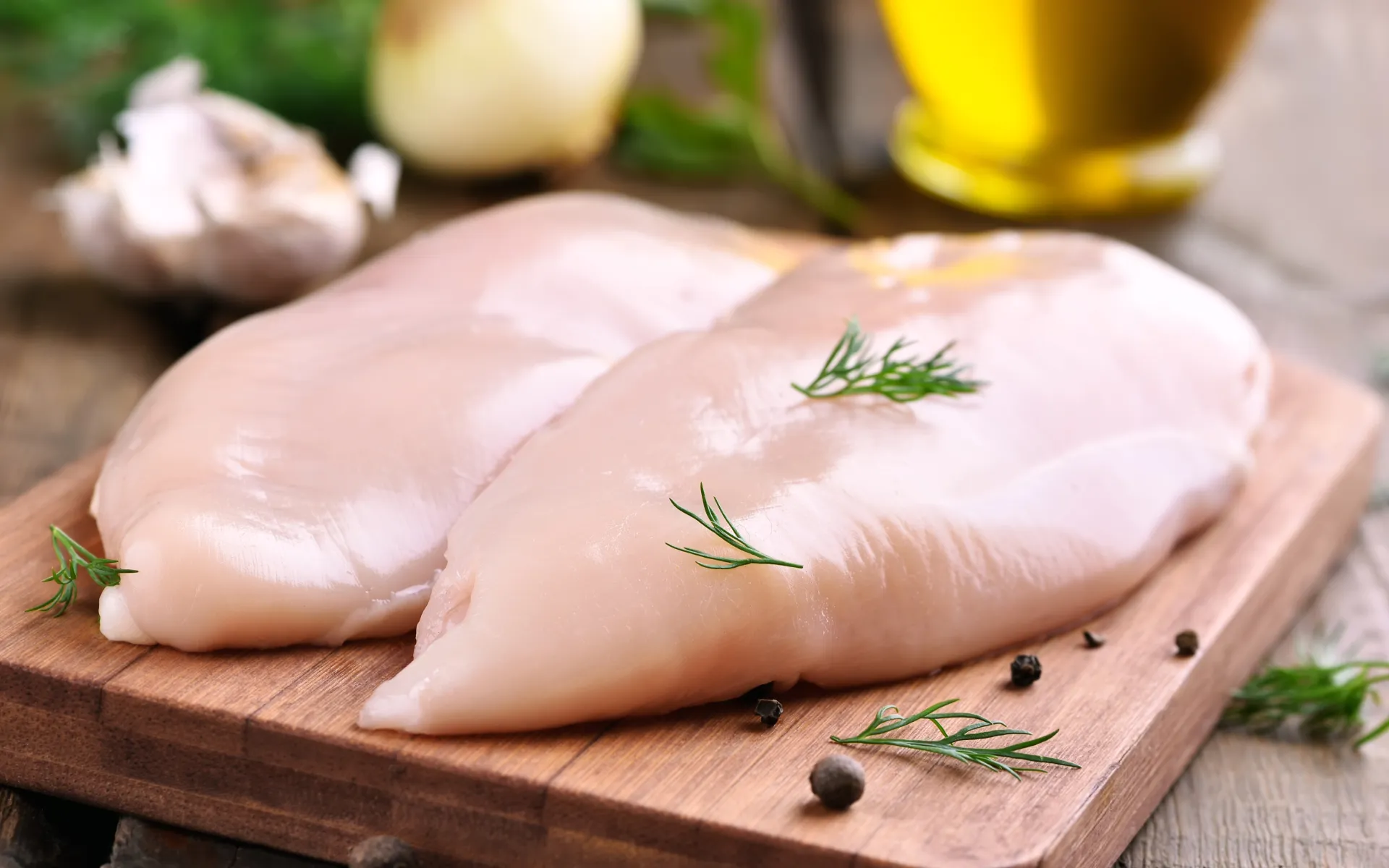
Halal meat and poultry come from permitted species that are raised humanely on halal-compliant feed, slaughtered by hand with the invocation of God's name, and processed with complete segregation from non-halal product.
The method matters at every stage. A plant can source a permitted species and still fail certification through irreversible stunning, a cut that severs the spinal cord, heads or skins removed before death, or a line shared with pork.